

Teacher Resources
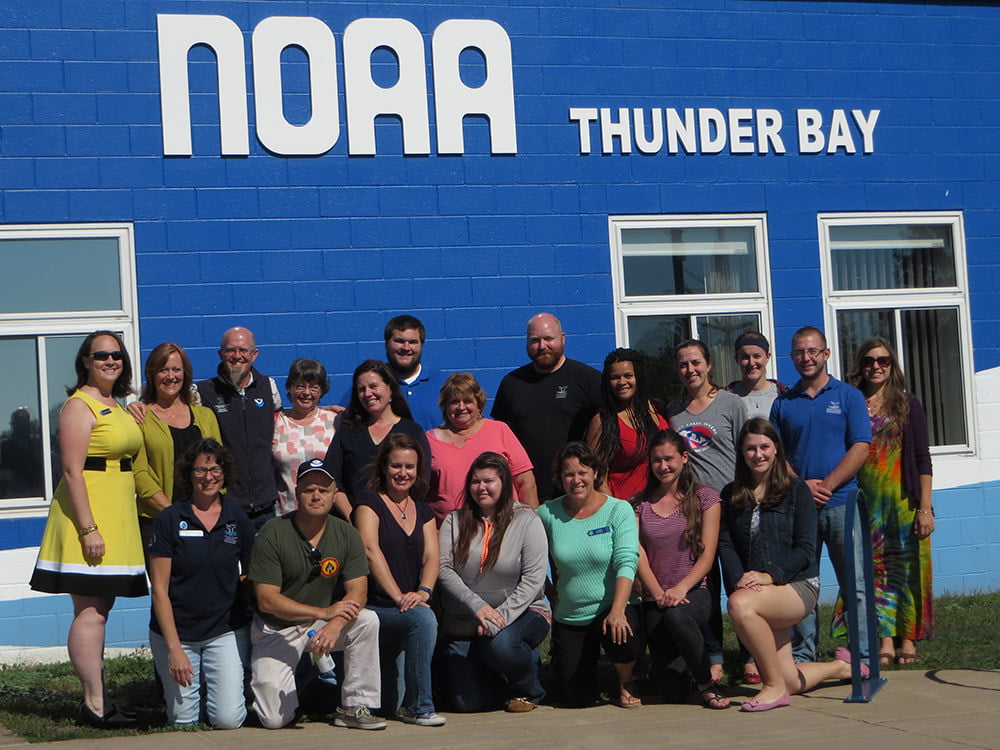
The Great Lakes B-WET program funds locally relevant, authentic experiential learning for K-12 students and educators through Meaningful Watershed Educational Experiences (MWEEs).
Ocean Guardian Schools make a commitment to the protection and conservation of its local watershed, the Great Lakes, the ocean, and special marine protected areas like national marine sanctuaries. The classroom/school makes this commitment by proposing and then implementing a school- or community-based conservation project.
Northeast Michigan Great Lakes Stewardship Initiative (NEMIGLSI) is a network of education and community partners working to promote quality place-based stewardship education opportunities in Northeast Michigan for the benefit of youth, community, and the environment.
Center for Great Lakes Literacy (CGLL) is a collaborative effort led by Sea Grant educators throughout the Great Lakes watershed. The Center fosters informed and responsible decisions that advance basin-wide stewardship by providing hands-on experiences, educational resources, and networking opportunities that promote Great Lakes literacy among an engaged community of educators, scientists, and citizens.
The National Marine Sanctuaries Webinar Series for educators provides educators with educational and scientific expertise, resources, and training to support ocean and climate literacy in the classroom. This series targets formal and informal educators that are engaging students (elementary through college) in formal classroom settings, as well as members of the community in informal educational venues (e.g., after school programs, science centers, aquariums, etc.).
Office of National Marine Sanctuaries Resources

Marine Debris Monitoring Toolkit for Educators: This toolkit is designed to assist teachers in educating their students about marine debris and involving them in marine debris research and outreach. Using the toolkit, students conduct marine debris surveys and can enter their data into a national database, analyze monitoring results, and become involved in marine debris stewardship within their communities.
Sinkholes!: Information and lessons about the freshwater sinkholes and what lives in their unique environments in Thunder Bay National Marine Sanctuary.